What to do if injured: 5 Crucial Steps to Protect Yourself
Why Every Rider Needs to Know What to Do If Injured
What to do if injured after a motorcycle accident can mean the difference between a full recovery and long-term complications. The United States sees a whopping 4.7 million workers injured every year, but motorcycle accidents present unique challenges that require immediate, specific actions.
Immediate Steps After a Motorcycle Injury:
- Ensure Safety – Move yourself and your bike away from traffic if possible
- Call 911 – Request both police and medical assistance
- Seek Medical Attention – Even if you feel fine, adrenaline can mask serious injuries
- Document Everything – Take photos of the scene, damage, and your injuries
- Contact Your Insurance – Report the accident within required timeframes
- Avoid Admitting Fault – Stick to facts when speaking with anyone at the scene
Many riders make critical mistakes in those first crucial moments after an accident. They skip the hospital visit because they “feel okay,” or they admit fault when emotions are running high. These decisions can cost thousands in medical bills and insurance complications later.
The reality is stark – motorcycle accidents often result in more severe injuries than car crashes due to our lack of protection. Head trauma, road rash, and internal injuries can develop hours or even days after the initial impact. That’s why knowing exactly what to do if injured isn’t just helpful – it’s essential for every rider.
I’m Sonny Da Badger, and through my years in the motorcycle community and working at Six Bends Harley Davidson, I’ve seen too many riders struggle because they didn’t know what to do if injured. My goal is to help every biker be prepared for the unexpected so they can focus on what matters most – getting back on the road safely.

What to do if injured vocab explained:
- can I sue motorcycle accident
- motorcycle accident settlement process
- motorcycle accident support group
If you’ve been in a wreck, see how the community can help through the Wrecked Rider Fund.
Immediate Actions at the Accident Scene
Alright, riders, let’s talk about those first few minutes after an accident. It’s a moment no one wants to experience, and it can feel pretty chaotic. But knowing exactly what to do if injured and right after a wreck can make all the difference for your safety, your health, and even your future insurance or legal stuff. Our main goal here is always to keep everyone safe and minimize any more trouble.
Assess the Situation and Ensure Safety
When the rubber meets the road in the wrong way, your personal safety is always priority number one. Take a deep breath if you can, and try to look around calmly.
First, check for any immediate dangers. Are you still in the middle of traffic? Is there fuel spilled that could catch fire? If you can move, and it’s safe to do so, get yourself and your motorcycle off the main road. Even just a few feet can put you out of harm’s way. If your bike still runs, turn on your hazard lights right away to warn other drivers. If it’s not working, use anything you have — flares, reflective triangles, even a bright piece of clothing — to make sure folks coming down the road see you.
If you’re riding with buddies, have one of them stand a safe distance away (only if it’s safe for them!) to wave down traffic or warn drivers. This simple step can prevent another wreck from happening. Once you’re as safe as possible, quickly check on anyone else involved – other drivers, passengers, or pedestrians. Their well-being is important too.
Call for Emergency Help
Once you’ve secured the scene as best you can, the very next critical step for what to do if injured is to call for help. Don’t hesitate!
Dial 911 right away. In the U.S. and Canada, that’s the magic number. If you’re a rider exploring other parts of the world, just remember your local emergency number (like 999 in the UK or 112 in most of Europe). When the dispatcher answers, be super clear about where you are. Give them the road name, the nearest cross street, a mile marker, or any landmarks they can easily spot. The quicker they find you, the faster help arrives.
Make sure to tell them if anyone is injured, even yourself. Even if you think you’re okay, always ask for medical help. Adrenaline is a sneaky thing; it can hide serious injuries that might not show up for hours. Always ask for the police to come, too. A police report is an official record of what happened, and it’s super valuable for your insurance company and any legal steps later on.
While you’re waiting for the pros, if someone is bleeding, apply direct pressure to the wound. If you’re trained, you can also check out resources like the Mayo Clinic’s first aid guide or the Red Cross’s guide to wounds for more tips. Just remember, your main goal is to keep folks safe and not cause more harm.
Before emergency services whisk everyone away, try to exchange information with everyone involved. Get their full names and contact info, their insurance company names and policy numbers, and details about their vehicle (make, model, year, license plate). Most importantly, get contact info from any witnesses! They can provide an unbiased account of what happened.
And here’s a big one, bikers: Do NOT admit fault. Even if you feel like you might have been partly to blame, don’t apologize or say anything that could be used against you later. Just stick to the facts when you talk to the police or other drivers. Let the investigation figure out who was at fault. What you say in those first moments can really come back to bite you.
If you’ve been in a wreck, see how the community can help through the Wrecked Rider Fund.
What to Do If Injured: A Step-by-Step Guide for Riders
Alright, my fellow riders. We all hope we never need this information, but knowing what to do if injured after a motorcycle accident can truly make or break your recovery journey. Beyond those critical first moments at the scene, there are some really important steps you need to take for your health and to protect your future. Think of it as your roadmap to getting back on two wheels.
What to Do If Injured: Seeking Medical Attention
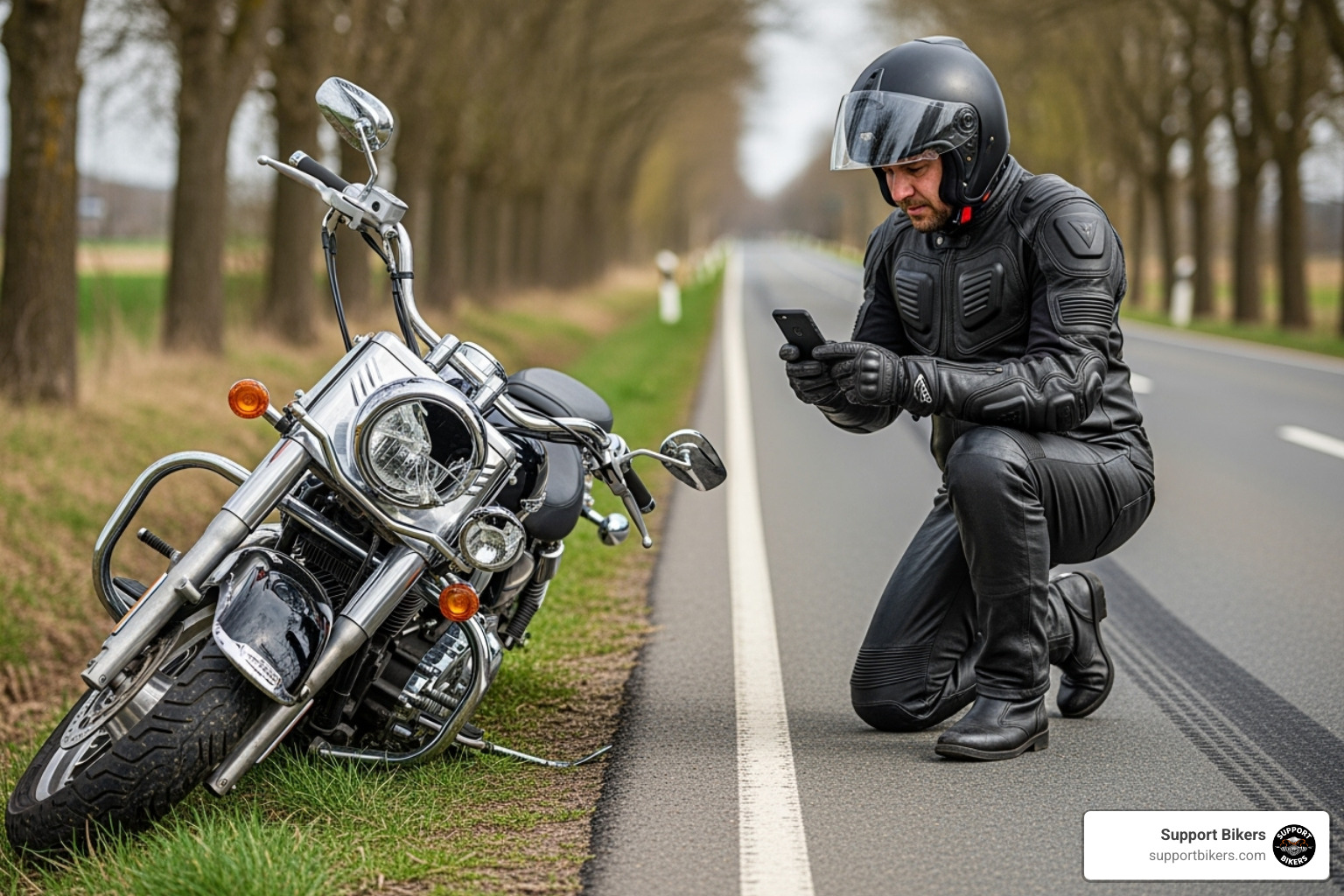
This is a big one, folks. I can’t stress this enough: always seek medical attention right away, even if you feel like you just bounced.
First off, your body is an amazing machine, and after a shock like an accident, it floods you with adrenaline. This natural chemical is like a superhero cape, masking pain and making you feel tougher than you might actually be. That minor bump you think you got? It could actually be a serious internal injury, a broken bone, or even a concussion hiding beneath that adrenaline rush.
Then there are those sneaky delayed symptoms. Many injuries, especially soft tissue damage like sprains or whiplash, or even concussions, don’t show their true colors for hours or even days after the crash. You might wake up the next morning feeling like you wrestled a bear. If you wait to see a doctor, it gets much harder to prove that these new aches and pains are directly from the accident. This can cause headaches later with insurance or legal folks.
And let’s talk about internal and head injuries. These are the silent dangers. A seemingly small impact could lead to internal bleeding, organ damage, or a traumatic brain injury (TBI) that isn’t obvious at first glance. Watch out for symptoms like headaches, dizziness, confusion, or even changes in your mood – these could be signs of a TBI.
So, head to the nearest emergency room or urgent care facility. When you get there, be clear: tell the medical staff you were in a motorcycle accident. Describe everything that happened and all your symptoms, no matter how tiny they seem. This helps them document that your injuries are accident-related.
After your initial visit, stick to all your follow-up appointments. If they send you to a specialist, physical therapy, or prescribe meds, follow through. Being consistent with your medical care shows that your injuries are serious and that you’re committed to getting better.
Finally, start keeping all your medical records. Ask for copies of every report, every X-ray, MRI, or CT scan, and all your bills. This detailed record-keeping is absolutely vital for your insurance claim and for any potential legal action down the road. It might seem like a hassle now, but it’ll be a lifesaver later.
What to Do If Injured: Documenting the Incident
After an accident, good old-fashioned documentation is your best friend. It provides solid proof and backs up your claims. It’s all about creating an undeniable record of what happened.
Your smartphone is an incredible tool here. Take a ton of photos and videos of absolutely everything you can think of:
- Your injuries: Capture any road rash, bruises, cuts, or other visible signs of injury.
- Damage to vehicles: Get wide shots of all vehicles involved to show the overall damage, then zoom in for close-ups of specific impacts. Don’t forget to photograph your helmet and gear – they’re part of your story too.
- The accident scene: Take pictures of the general area from different angles. Look for road conditions like potholes, debris, or anything unusual. Capture skid marks, traffic signs, and any landmarks nearby.
- Weather conditions: Make a note if it was sunny, raining, foggy, or anything else that might have played a role.
If there were any witnesses – people who saw what happened – make sure you get their names and contact information. If they’re willing, a quick video recording of their account right there at the scene can be super helpful. An unbiased witness can be incredibly important if there’s a disagreement about who was at fault.
Last but not least, start a personal injury journal as soon as you can. This is your personal record of everything that happens after the accident. Write down:
- The exact date, time, and location of the crash.
- Your own story of what happened.
- All the details of your injuries and how they affect your daily life. This includes pain levels, things you can no longer do, and any emotional distress you’re feeling.
- Every medical appointment, treatment, and medication.
- Any conversations you have with insurance adjusters, police, or lawyers, including the dates and times.
- Any wages you’ve lost because you couldn’t work.
This journal is a game-changer. It serves as a comprehensive record and helps you remember all those crucial details when you need them most.
If you’ve been in a wreck, see how the community can help through the Wrecked Rider Fund.
Navigating the Aftermath: Insurance and Your Rights
Okay, riders, you’ve taken those vital first steps after an accident. You’ve looked after yourself, called for help, and started documenting everything. Phew! Now comes the part that can feel a bit like wading through mud: dealing with insurance and protecting your rights. This isn’t just paperwork; it’s about making sure you get the support you need to heal and get back on the road. Knowing what to do if injured in this phase is just as crucial as those first moments.

Reporting to Your Insurance Company
First up, let’s talk about your insurance company. It might feel like a hassle, but letting them know what happened right away is super important. Many policies have specific deadlines for reporting, so don’t delay! Think of it like this: the sooner they know, the sooner they can start helping.
When you call, just stick to the facts. No need to guess or say sorry. Simply state what you observed. They’ll need some key details to get things rolling, like your policy number, the exact date, time, and location of the accident, and a simple, factual description of how it all went down. If the police were there, they’ll want the police report number. Don’t forget to share the other driver’s info (name, contact, insurance details) and any witness names and numbers you collected. And of course, tell them about your injuries and any damage to your bike or gear.
Here’s a big tip: don’t give a recorded statement to anyone without talking to a lawyer first. And definitely don’t minimize your injuries or say you’re “fine” if you’re not. Insurance adjusters, especially from the other driver’s side, are looking out for their company, not necessarily your best interest. They might try to use your words against you later to minimize your claim.
Take a moment to understand your own motorcycle insurance policy. What kind of coverage do you have for medical bills (sometimes called MedPay)? Do you have uninsured or underinsured motorist coverage? How about collision coverage? These can be lifesavers for covering your expenses.
And speaking of expenses, understanding the types of compensation you might be able to get is key. This isn’t just about fixing your bike. It’s about covering your medical bills – from the emergency room visit to physical therapy, medications, and even future medical needs. It’s about lost wages if you can’t work. And yes, it’s about compensation for your pain and suffering – the physical discomfort and emotional stress this whole ordeal causes. Plus, of course, the property damage to your beloved bike and gear.
Protecting Your Rights
Now, let’s talk about protecting your rights. This is where things can get a bit tricky, especially when it comes to who was at fault. In many places, if you’re even a little bit responsible for the accident, it can reduce how much compensation you get. This is often called “comparative negligence,” and it’s good to understand how fault is assessed where your accident occurred.
As an injured rider, you absolutely have the right to seek compensation for all your damages. This means getting paid not just for the bills you have now, but also for potential future costs and the pain and emotional distress you’ve gone through.
This is often the best time to talk to a personal injury attorney, especially one who knows the ins and outs of motorcycle accidents. They’re like your co-pilot in this journey. An attorney can explain your legal rights, help gather all that crucial evidence you’ve been collecting, and deal with those insurance companies on your behalf. Their job is to make sure you get a fair shake, covering all your damages, even the ones that might not be obvious right away.
There’s also something super important called the statute of limitations. Think of it as a ticking clock. It’s a legal deadline for how long you have to file a lawsuit after an accident. If you miss it, you could lose your right to get compensation, no matter how strong your case is. A good attorney will make sure you don’t miss any critical deadlines.
If you’ve been in a wreck, see how the community can help through the Wrecked Rider Fund.
Frequently Asked Questions about Motorcycle Accident Injuries
We know you’ll have questions, and rightly so. Here are some of the most common concerns riders have about their injuries after an accident.
What if my injuries don’t show up for days?
It’s a really common situation, and it’s a huge reason why getting medical attention right after an accident, even if you feel okay, is so important. Your body, in its amazing way, releases a rush of adrenaline after a traumatic event. This natural chemical can act like a temporary painkiller, hiding the real extent of your injuries. You might feel fine at the scene, but then wake up the next morning feeling like you wrestled a bear! Many injuries, especially soft tissue damage like whiplash, muscle strains, or sprains, often don’t cause major pain or stiffness until hours or even days after the crash.
And let’s talk about your head. Even if you don’t black out, a bump can lead to a concussion. Symptoms such as headaches, dizziness, feeling sick, being sensitive to light or sound, or even changes in your memory or mood, might not pop up until much later. While it’s less common for them to be delayed, some internal injuries can also hide their symptoms at first. That’s why it’s so vital to seek medical care right away.
That first medical check-up does more than just get you looked at; it creates an official record that links your condition directly to the accident. This is your documented starting point. If new symptoms show up later, you’ve already established that initial connection. Make sure to tell your doctor about any new or worsening issues right away, and don’t forget to write them down in your personal injury journal. This careful documentation is a key part of what to do if injured.
Should I accept the insurance company’s first offer?
Here’s a quick tip from the road: when the insurance company, especially the other driver’s insurer, makes their first offer, your best move is usually to say, “Thanks, but no thanks.” Think of it this way: their goal is to close your claim fast and cheap. Their first offer is often a lowball offer designed to do just that.
They’re trying to settle before you fully grasp the true cost of your injury. This isn’t just about the immediate hospital bills. It’s about potential long-term physical therapy, future doctor visits, specialist care, and any complications that might pop up down the road. They also might not be accounting for your lost wages or the very real pain and suffering you’re going through. It’s tough to predict the full financial impact of an injury, especially if it leads to lasting pain or disability.
If you accept that early offer, you’re essentially signing away your right to ask for more money later, even if your condition gets worse. The good news? Insurance companies expect you to negotiate. Having an experienced motorcycle accident attorney in your corner can make a huge difference. They know the real value of your claim and can fight to get you the fair compensation you deserve. This is a crucial step in knowing what to do if injured and protecting your future.
What if I was partially at fault for the accident?
It’s a common worry: “What if I was partly to blame?” Even if you feel you had some fault in the accident, you might still be able to get compensation. It all depends on your state’s specific laws, which often use something called comparative negligence.
Most states follow some form of comparative negligence rules. What this means is, if it’s determined you were partly at fault, the amount of compensation you can receive will be reduced by your percentage of fault. For example, if your damages totaled $100,000, but you were found 20% at fault, you would be able to recover $80,000. It’s like a sliding scale based on who was responsible.
There are a couple of main types of comparative negligence. Some states have Pure Comparative Negligence, where you can still recover damages even if you were mostly at fault – say, 99% – though your compensation would be reduced by that percentage. Other states use Modified Comparative Negligence, which often includes a “50% bar rule.” This means you can only recover damages if your fault is less than 50% (or in some states, less than 51%). If your fault hits or goes over that line, you might not get anything at all.
Working out who’s at fault can be tricky, and insurance companies often disagree. This is exactly why chatting with an attorney is such a smart move. They can dig into the details of the accident, collect evidence, and make the best case for you. Their goal is to help minimize your percentage of fault and maximize the compensation you could receive. Protecting your rights, even when there’s shared fault, is a key part of what to do if injured.
If you’ve been in a wreck, see how the community can help through the Wrecked Rider Fund.
Conclusion
Alright, fellow riders, we’ve covered a lot of ground today. Nobody ever wants to think about a motorcycle accident, but knowing what to do if injured can truly make all the difference. We’ve walked through those critical moments right after a wreck – from making sure the scene is safe and getting emergency help on the way, to taking care of yourself and gathering all the vital details.
Your health is always the top priority. Even if you feel okay at first, that sneaky adrenaline can hide injuries. Getting checked out by medical pros right away, and carefully documenting everything from your injuries to the scene itself, isn’t just smart; it’s essential for your recovery and for protecting your rights down the road.
Understanding your insurance and legal options might seem daunting, but it’s a powerful step towards getting the support you deserve. This isn’t just about handling a claim; it’s about making sure you can focus on healing and getting back to what you love – riding.
Here at Support Bikers, we truly believe in the strength of our community. We know that sometimes, a little help from fellow riders can go a long, long way. Being prepared and knowing these steps empowers you, giving you the confidence to face the unexpected head-on.
If you’ve been in a wreck, see how the community can help through the Wrecked Rider Fund.

0 Comments