Motorcycle Club Event Ideas: 10 Exciting Ways to Wow 2025
Why Every Motorcycle Club Needs Fresh Event Ideas
Motorcycle club event ideas are the fuel that keeps brotherhoods strong and communities connected. Whether you’re looking to boost member engagement, raise funds for charity, or simply create unforgettable memories on two wheels, the right events can transform your club from a weekend riding group into a powerful force for good.
Top Motorcycle Club Event Ideas:
- Charity Poker Runs – Classic fundraising rides with card draws at checkpoints
- Skill-Building Workshops – Safety training, maintenance clinics, and slow-race competitions
- Family-Friendly Gatherings – BBQ cook-offs, kids’ activities, and live music events
- Themed Rides – Costume cruises, memorial rides, and holiday parades
- Social Rallies – Bike nights, campground weekends, and sunrise coffee runs
- Community Outreach – Toy drives, blood donation events, and local business partnerships
The research shows that successful motorcycle events often start small – with just 10-20 participants in the first year – but can grow to hundreds or even thousands of riders when planned consistently. The largest single motorcycle poker run brought together over 2,000 motorcyclists, proving that great events build momentum over time.
From simple group rides to elaborate charity fundraisers, the key is matching your event type to your club’s goals. Some clubs focus on building internal camaraderie, while others prioritize community impact through charitable giving. The most successful events often combine both elements.
I’m Sonny Da Badger, founder of Support Bikers, and I’ve been organizing and participating in motorcycle club events since my days selling Harleys at Bert’s Black Widow Harley Davidson in Florida. Through years of riding and community building, I’ve seen how creative motorcycle club event ideas can strengthen bonds between riders while making a real difference in local communities.
Clarify the Mission Before You Twist the Throttle
Before diving into specific event ideas, we need to establish clear objectives. The most successful motorcycle club events start with a solid understanding of what you’re trying to achieve. Are you building club morale and unity? Raising funds for a local charity? Teaching riding skills? Or celebrating a milestone?
Setting clear goals upfront prevents the common mistake of planning elaborate events that don’t align with your club’s values or member interests. We’ve seen clubs waste months organizing events that flop because they never asked themselves the fundamental question: “What do we want to accomplish?”
Here’s how the most effective clubs approach goal-setting:
Building Club Morale and Unity: Focus on activities that encourage member interaction and create shared experiences. Think group rides to scenic destinations, club anniversary celebrations, or social gatherings at local venues.
Community Involvement: Design events that showcase your club’s positive impact. Charity rides, community service projects, and partnerships with local businesses help change public perception while giving back.
Education and Skill Building: Organize workshops, safety training sessions, and maintenance clinics that make members better, safer riders. These events often attract new members who appreciate the learning opportunities.
Fundraising: Whether supporting a downed rider, local charity, or club expenses, fundraising events require careful planning to balance fun with financial goals.
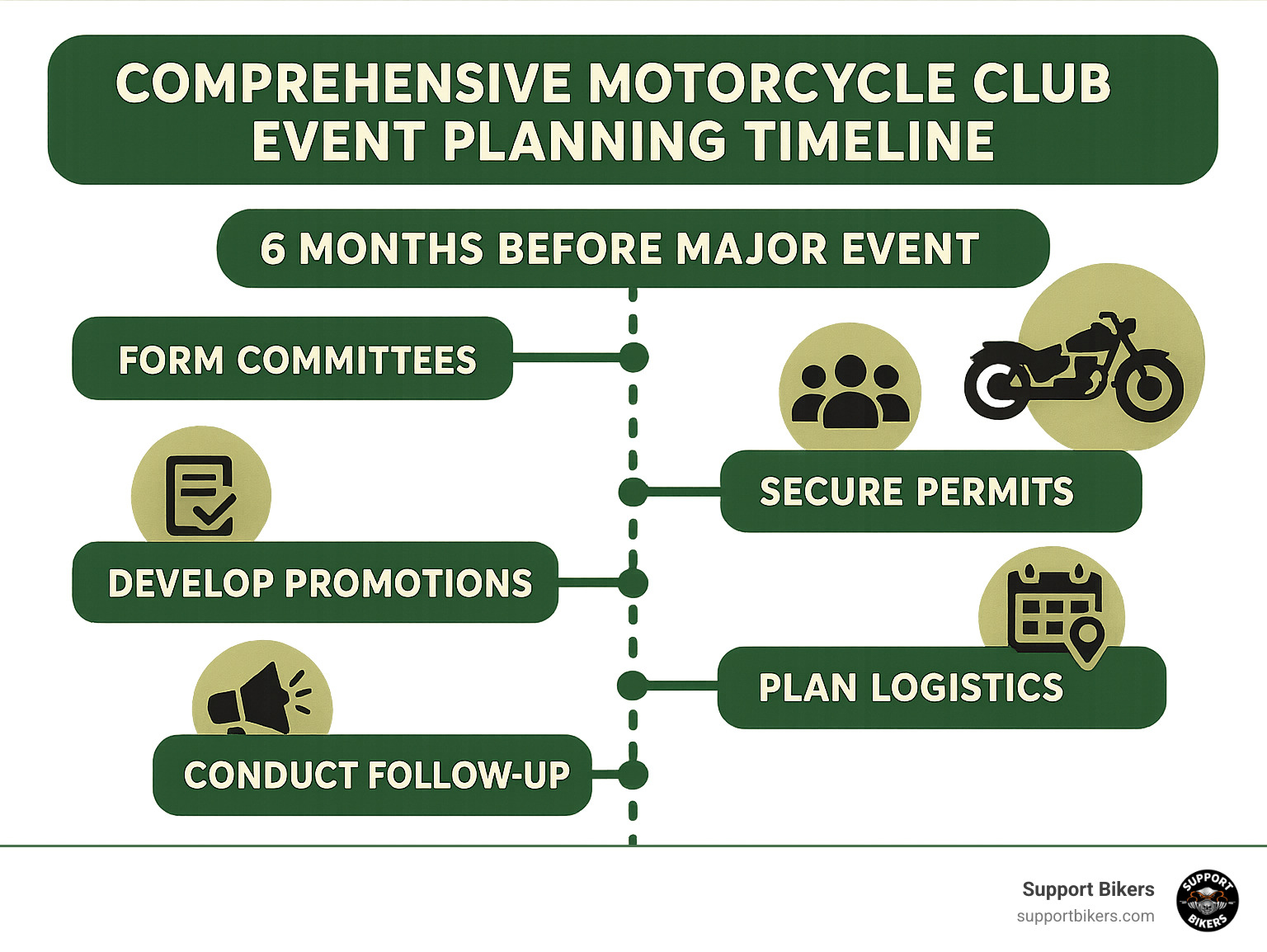
Budget setting is crucial at this stage. Entry fees for poker runs typically range from $10-20, but you’ll need to factor in permits, insurance, volunteer coordination, and promotional costs. Many successful clubs allocate 4-6 months for major event planning, though first-year events can be organized in 6-8 weeks with focused effort.
Creating volunteer committees early prevents burnout and ensures diverse perspectives. Form subcommittees for logistics, promotion, sponsorship, and entertainment. This approach distributes workload while giving members ownership in the event’s success.
Check out our Motorcycle Events Calendar for Support Bikers Community to see what other clubs are planning and avoid scheduling conflicts.
Involving Riders From Day One — A Motorcycle Club Event Ideas Brainstorm
The best motorcycle club event ideas come from your members, not a boardroom. We’ve learned that clubs with high member engagement in event planning see significantly better attendance and satisfaction rates.
Start with surveys or informal discussions to gauge interest. Ask members what they’d like to see, what skills they’d like to learn, and what causes they’d support. This grassroots approach ensures your events reflect the club’s collective interests rather than just leadership preferences.
Create diverse subcommittees that leverage different member skills. Your retired mechanic might lead a maintenance workshop committee, while your marketing professional handles promotion. New members often bring fresh perspectives and energy to planning committees.
Consider mentorship opportunities where experienced members guide newer riders through event planning. This builds leadership skills while strengthening club bonds across experience levels.
Top Motorcycle Club Event Ideas That Wow Riders & Communities
Now let’s explore the motorcycle club event ideas that consistently deliver results. These proven formats can be adapted to fit your club’s size, budget, and objectives while creating memorable experiences for participants.
Charity & Fundraising Rides — Heart-Fueled Miles
Charity rides remain the gold standard for motorcycle club events, combining the joy of riding with meaningful community impact. Poker runs dominate this category, with good reason – they’re relatively simple to organize, appeal to riders of all skill levels, and create natural fundraising opportunities.
Poker Runs: The classic format involves 5-7 checkpoints where riders draw playing cards, with the best poker hand winning prizes. The largest recorded poker run attracted 2,136 motorcyclists for the Fallen Firefighter Survivors Foundation, demonstrating the format’s potential for massive community impact.
Dice Runs: A simpler alternative where riders roll dice at each checkpoint, aiming for the highest total score. This format works well for smaller clubs or first-time organizers.
Memorial Rides: Honor fallen riders or support causes close to your club’s heart. These events often generate strong emotional connections and repeat participation.
50/50 Raffles: Split raffle proceeds between winners and charity, creating excitement while maximizing fundraising potential.
Toy Runs: Holiday-themed rides where participants bring toys for local children’s charities. These events often attract families and create positive community visibility.
Blood Drives: Partner with local blood banks to host donation events at your clubhouse or rally site. These save lives while building community partnerships.
Successful charity rides require strong sponsor partnerships. Local businesses often support motorcycle events because they tap into a loyal customer base. Approach restaurants, auto shops, and motorcycle dealerships for prize donations, checkpoint hosting, or financial sponsorship.
Learn more about organizing effective charity rides with our guide: How to Organize a Successful Charity Motorcycle Poker Run or Event.
Skill-Building & Safety Workshops — Sharpen Every Ride
Educational events attract serious riders while improving overall club safety. These motorcycle club event ideas position your organization as a resource for rider development rather than just social activities.
Slow-Speed Competitions: Challenge riders to steer tight courses at crawling speeds, improving low-speed handling skills essential for parking lots and traffic situations.
Emergency Braking Clinics: Teach proper braking techniques in controlled environments. Partner with local MSF instructors for professional guidance.
First-Aid Demonstrations: Equip members with life-saving skills for roadside emergencies. Local EMTs or fire departments often provide free training.
Track Day Introductions: Organize group visits to local racetracks for controlled high-speed riding education. Many tracks offer beginner-friendly programs.
Maintenance 101 Workshops: Cover basic motorcycle maintenance like oil changes, tire pressure checks, and chain adjustments. These practical skills save money while building confidence.
Guest MSF Coaches: Invite certified instructors to lead advanced riding technique sessions. These professional perspectives often reveal bad habits and improvement opportunities.
Educational events work best when combined with social elements. Follow a morning workshop with a group lunch or afternoon ride to maintain engagement and fellowship.
Family-Friendly Gatherings — Rev Up the Fun for All Ages
Making events family-friendly expands your participant base while showcasing the positive side of motorcycle culture. These activities help break down stereotypes while creating lasting memories for riders and their loved ones.
Kids’ Obstacle Courses: Set up cone courses for children to steer on foot or with pedal bikes, mimicking motorcycle handling challenges.
Mini-Bike Races: Organize safe competitions using small motorcycles or pedal bikes in designated areas with proper safety equipment.
Arts & Crafts Stations: Provide materials for children to design club patches, color motorcycle-themed pictures, or create keychains.
Face Painting: Hire artists to paint motorcycle flames, club logos, or other biker-themed designs on kids’ faces.
Story Time: Share motorcycle trip books or club history stories to engage younger attendees.
Picnic Zones: Designate family areas with games, food, and seating away from motorcycle noise and activity.
Live Music: Book family-friendly bands that appeal to multiple generations. Avoid exclusively adult-oriented acts for these events.
Safety remains paramount at family events. Provide adult supervision, first-aid stations, and clear boundaries between motorcycle and pedestrian areas. Age-appropriate activities prevent boredom while keeping children engaged throughout the event.
Social & Themed Rallies — Pure Two-Wheel Joy
Sometimes the best motorcycle club event ideas focus purely on fun and fellowship. These events build camaraderie without the pressure of fundraising or education objectives.
Backroads Brunch Rides: Combine scenic routes with destination dining at local cafes or restaurants. These shorter rides work well for newer members or those with time constraints.
Retro Costume Cruises: Encourage period dress for themed rides celebrating different eras of motorcycling. “Back to the Future” cruises and vintage bike shows create engaging photo opportunities.
Sunrise Coffee Runs: Early morning rides to scenic overlooks or popular breakfast spots. These events often attract dedicated riders who appreciate quieter roads and cooler temperatures.
Holiday Light Parades: Decorate motorcycles with lights for evening rides through neighborhoods or participation in community holiday celebrations.
Camp-and-Ride Weekends: Organize multi-day events at motorcycle-friendly campgrounds, combining group rides with evening fellowship around campfires.
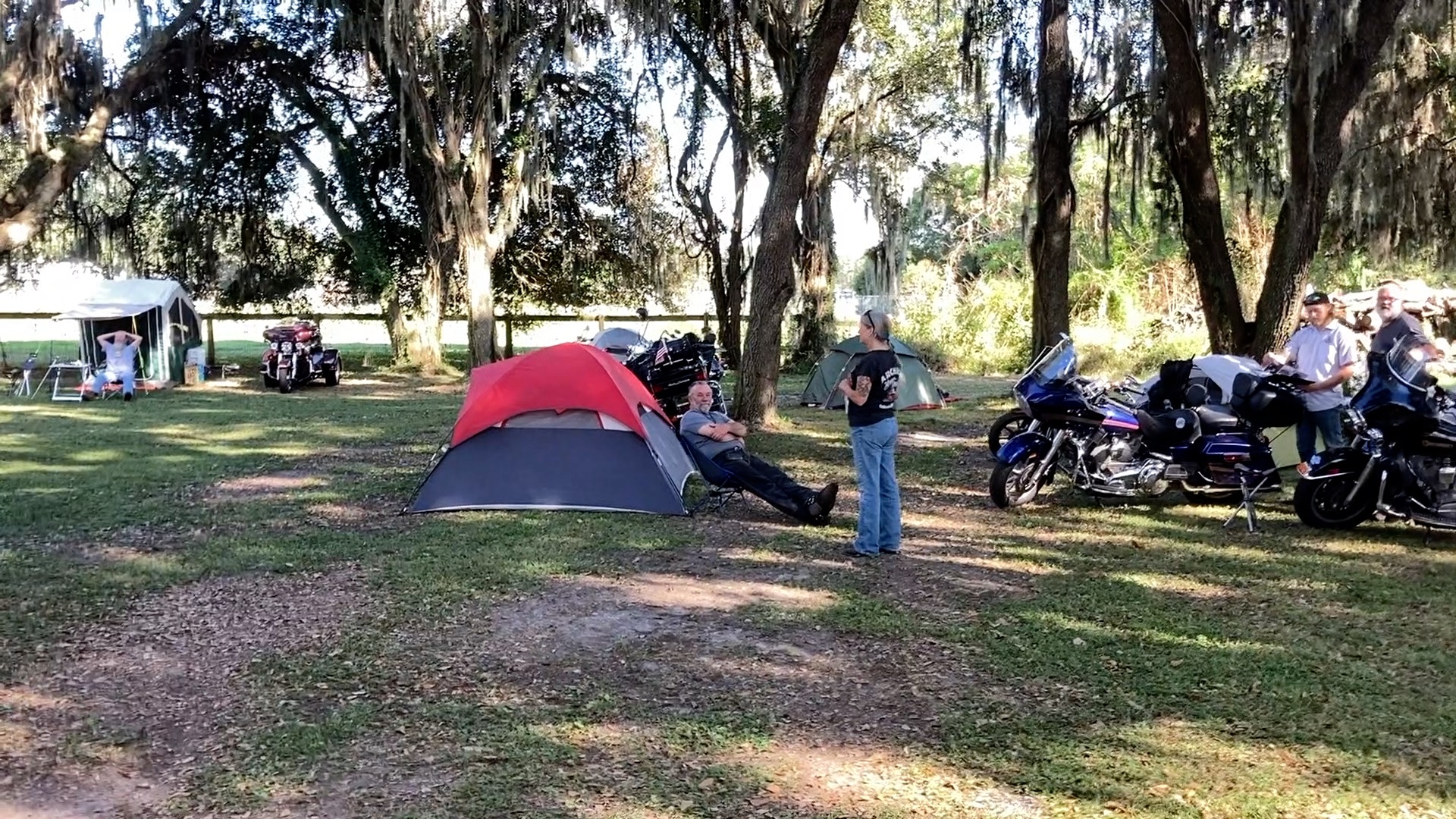
These social events strengthen bonds between members while creating the positive experiences that keep riders engaged long-term. They’re also excellent opportunities to invite prospective members for low-pressure introductions to club culture.
Find upcoming events in your area through our Motorcycle Events 2025 Near Me directory.
The Ultimate Guide to Hosting a Motorcycle Poker Run
Poker runs deserve special attention as the most popular motorcycle club fundraising format. Done right, they combine scenic riding, social interaction, and charitable giving into memorable experiences that participants eagerly anticipate each year.
Planning Committee Formation: Start with a small, dedicated group of 3-5 organizers to avoid decision-making gridlock. Assign clear roles for route planning, checkpoint coordination, registration, and promotion.
Route Selection: Plan 90-120 mile routes with 5 checkpoints spaced evenly. Design predominantly right-hand turns to minimize cross-traffic hazards. Test-ride the entire route within days of the event to verify directions and road conditions.
Checkpoint Logistics: Secure locations with restroom access, parking, and light refreshments. Popular choices include motorcycle dealerships, restaurants, fire stations, and scenic overlooks. Ensure each checkpoint can accommodate your expected attendance.
Permits and Insurance: Consult legal advisors about gambling regulations, as pure poker runs may require permits in some jurisdictions. Adding skill-based elements like dart tosses or timed challenges can classify events as games of skill rather than gambling.
Scorecards and Materials: Create clear registration forms with liability waivers, route maps with emergency contact numbers, and scorecards for tracking card draws. Professional-looking materials improve credibility and participant experience.
Prize Structure: Offer awards for both best and worst poker hands to maximize engagement. Door prizes from local businesses create additional excitement while recognizing sponsors.
Volunteer Staffing: Plan for 2-3 volunteers per checkpoint plus registration and final scoring teams. Many clubs rotate volunteers between checkpoints to reduce staffing requirements.
Revenue Streams: Beyond entry fees, incorporate 50/50 raffles, extra card sales, mileage-guessing games, and sponsor recognition to maximize fundraising potential.
Learn more about poker run fundamentals: What Is a Motorcycle Poker Run?
Motorcycle Club Event Ideas Spotlight: High-Stakes Poker Run
Here’s how to lift your standard poker run into a premium motorcycle club event ideas experience that generates buzz and repeat attendance:
Improved Registration: Offer online pre-registration with QR codes for quick check-in. Provide welcome packets with event t-shirts, route maps, and sponsor materials.
Checkpoint Experiences: Transform stops from simple card draws into mini-festivals. Add food trucks, live music, vendor booths, and motorcycle displays to create destination experiences.
Professional Amenities: Hire professional announcers, provide numbered parking, and offer bike washing stations. These touches distinguish your event from basic poker runs.
Technology Integration: Use apps for real-time scoring updates, social media integration, and digital photo sharing. Modern riders appreciate tech-savvy event management.
VIP Packages: Offer premium entry levels with reserved parking, exclusive merchandise, and improved meal options. This creates additional revenue while providing upgrade opportunities.
Live Entertainment: Book regional bands that appeal to motorcycle audiences – blues, southern rock, or country acts typically work well. Avoid exclusively original material unless the artist is well-known.
Expanded Activities: Add bike shows, slow-speed competitions, and vendor areas to create all-day experiences rather than simple rides.
Promotion, Safety & Legal Must-Haves
Successful motorcycle club event ideas require comprehensive promotion, safety planning, and legal compliance. These behind-the-scenes elements often determine whether events thrive or fail.
Multi-Channel Marketing: Distribute promotional materials through motorcycle dealerships, repair shops, and popular riding destinations. Create eye-catching flyers with essential details: date, time, location, entry fee, and cause supported.
Social Media Strategy: Use platform-specific approaches – Facebook for event pages and discussion, Instagram for visual content, and Twitter for real-time updates. Create unique hashtags for event tracking and participant sharing.
Local Media Outreach: Contact newspapers, radio stations, and community calendars 6-8 weeks before events. Many outlets support charitable causes with free publicity.
Business Partnerships: Collaborate with local motorcycle businesses for cross-promotion. Dealerships often display event flyers in exchange for sponsor recognition.
Emergency Planning: Develop comprehensive safety protocols including first-aid stations, emergency contact procedures, and severe weather contingencies. Designate sweep riders to assist with breakdowns and collect checkpoint materials.
Legal Compliance: Secure necessary permits, liability insurance, and traffic control approvals. Requirements vary by location and event size, so research local regulations early in planning.
Rider Safety Briefings: Conduct mandatory safety meetings covering route highlights, emergency procedures, and group riding etiquette. Emphasize individual responsibility and traffic law compliance.
Support Vehicles: Deploy trailer or pickup truck support for mechanical failures. Include basic tools, tire repair supplies, and emergency contact information.
Check our comprehensive event listings: Major Motorcycle Events and Biker Rallies 2025
Amplify Reach Without Emptying the Tank
Smart promotion maximizes event attendance while controlling costs. These strategies help spread the word efficiently:
QR Code Registration: Include QR codes on flyers linking to online registration forms. This streamlines sign-up while capturing participant data for future events.
Early-Bird Incentives: Offer discounted entry fees or exclusive merchandise for advance registration. This guarantees revenue regardless of weather and helps with planning numbers.
Cross-Club Partnerships: Partner with other motorcycle organizations for mutual promotion. ABATE chapters, H.O.G. groups, and riding clubs often share event information.
Community Calendar Listings: Submit events to local community calendars, visitor bureaus, and motorcycle websites. Many offer free listings for charitable events.
Sponsor Integration: Leverage sponsor networks for promotion. Businesses often promote events through their customer bases, extending your reach significantly.
Photo Sharing: Encourage participants to share photos with event hashtags. User-generated content provides authentic promotion while building community engagement.
Measure Success & Keep the Rubber Rolling After the Event
Post-event evaluation transforms good motorcycle club event ideas into great ones. Systematic assessment and follow-up ensure continuous improvement and sustained member engagement.
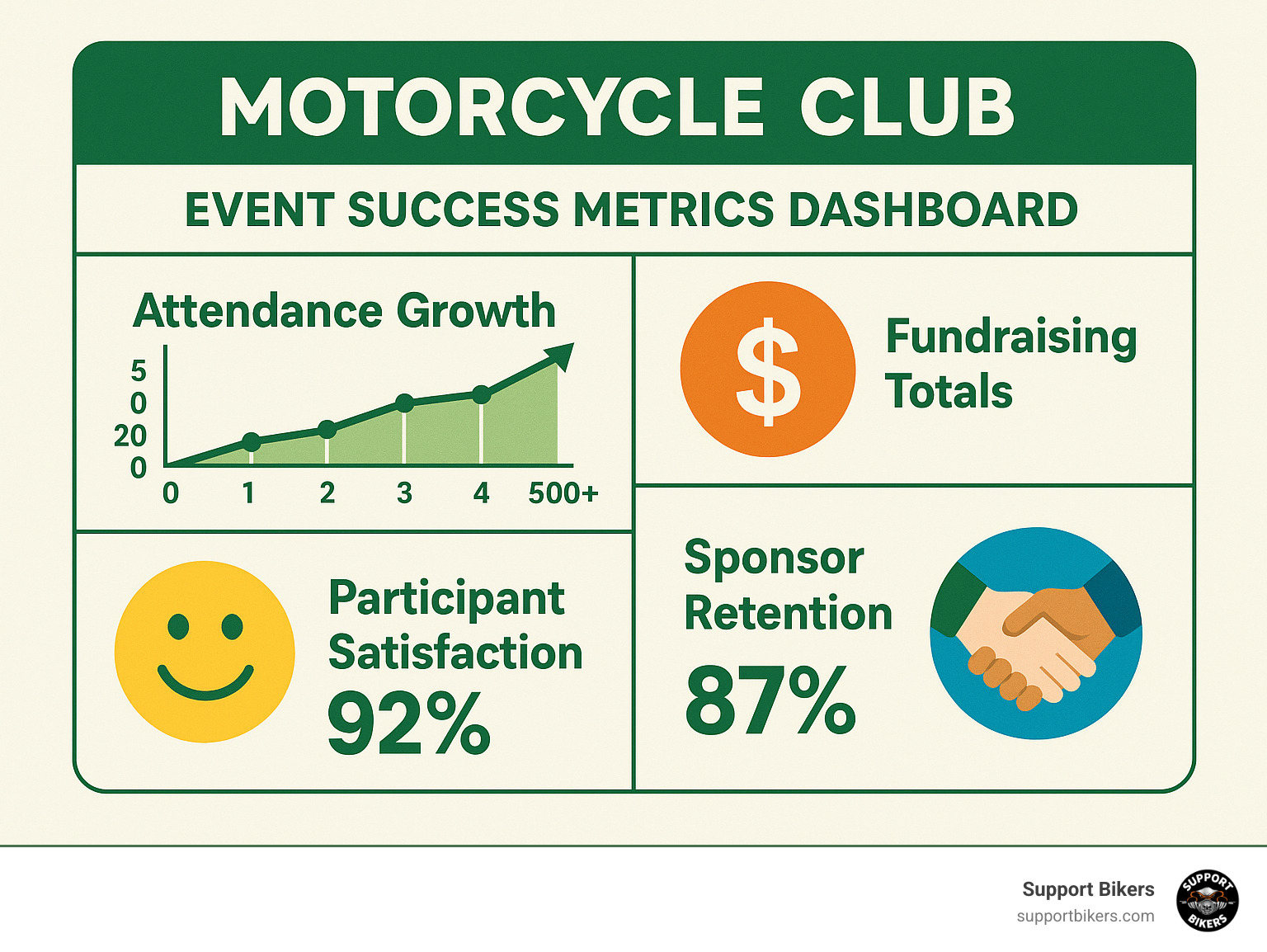
Attendance Metrics: Track registration numbers, actual attendance, and demographic breakdown. Compare results to previous years and similar events to gauge growth trends.
Financial Analysis: Calculate total revenue, expenses, and net proceeds. Document cost per participant and fundraising efficiency to inform future budgeting.
Participant Feedback: Distribute surveys covering route quality, checkpoint experiences, organization effectiveness, and overall satisfaction. Digital surveys increase response rates.
Sponsor Satisfaction: Evaluate sponsor benefits delivered versus commitments made. Satisfied sponsors often increase support for future events.
Safety Assessment: Review any incidents, near-misses, or safety concerns. Document lessons learned and implement improvements for future events.
Photo Documentation: Compile professional and participant photos for promotional use. Create highlight reels for social media and thank-you communications.
Thank-You Communications: Send personalized thank-you messages to participants, sponsors, volunteers, and venue hosts. Recognition builds goodwill and encourages future participation.
Next-Year Planning: Begin preliminary planning for the following year while experiences remain fresh. Set tentative dates and identify improvement opportunities.
Explore upcoming events like Badger Bash 2025 for inspiration and networking opportunities.
Motorcycle Club Event Ideas Debrief: Turning Insights Into Next Year’s Gold
Systematic post-event analysis lifts future motorcycle club event ideas from good to exceptional. Here’s how to extract maximum value from each event experience:
SWOT Analysis: Evaluate Strengths, Weaknesses, Opportunities, and Threats for comprehensive event assessment. This framework identifies what worked well and areas needing improvement.
Volunteer Debrief Sessions: Gather feedback from checkpoint volunteers, registration staff, and support crew. Front-line workers often identify operational improvements that organizers miss.
Financial Deep Dive: Analyze revenue streams and expense categories to optimize future budgeting. Identify high-ROI activities and eliminate low-value expenses.
Participant Journey Mapping: Trace the complete participant experience from initial awareness through post-event follow-up. Identify friction points and improvement opportunities.
Competitive Analysis: Research similar events in your region to identify best practices and differentiation opportunities. Learn from both successes and failures.
Technology Evaluation: Assess registration systems, communication tools, and promotional platforms for effectiveness and user experience.
Continuous Improvement Planning: Develop specific action items for next year’s event based on lessons learned. Assign responsibility and timelines for implementation.
Frequently Asked Questions about Planning Motorcycle Club Events
How far in advance should we start planning?
Major events require 4-6 months of advance planning, while smaller gatherings can be organized in 6-8 weeks. The timeline depends on complexity, permit requirements, and sponsorship needs. Charity rides seeking significant sponsor support need 3-4 months minimum for business outreach and relationship building.
For first-year events, allow extra time for learning curves and unexpected challenges. Established clubs with experienced organizers can work more efficiently, but rushing planning typically results in overlooked details and participant dissatisfaction.
What permits or insurance do we need?
Requirements vary significantly by location and event type. Common needs include:
- Special Event Permits: Required for public road use, park reservations, or large gatherings
- Liability Insurance: Protects organizers from accident claims and property damage
- Gambling Permits: May be required for poker runs in some jurisdictions
- Food Service Permits: Needed if serving meals or operating concessions
- Traffic Control Approvals: Required for road closures or police escorts
Consult with local authorities, legal advisors, and insurance agents early in planning. Many motorcycle organizations offer event insurance specifically designed for club activities.
How can we make events welcoming for new riders?
Creating inclusive environments encourages club growth while supporting rider development:
- Buddy System: Pair new riders with experienced mentors for guidance and support
- Skill-Appropriate Routes: Offer multiple route options accommodating different experience levels
- Pre-Event Briefings: Explain expectations, safety protocols, and group riding etiquette
- No-Drop Policies: Ensure no rider is left behind due to mechanical issues or skill limitations
- Beginner-Friendly Activities: Include skill-building workshops and educational components
- Social Integration: Create opportunities for new members to connect with established riders
Welcoming new riders strengthens your club’s future while spreading motorcycle safety awareness throughout the community.
Conclusion
Great motorcycle club event ideas do more than fill calendars – they build lasting legacies of brotherhood, community service, and shared trip. Whether you’re organizing your first charity ride or planning your club’s signature annual event, success comes from matching activities to your members’ interests and your community’s needs.
The most impactful events combine multiple elements: scenic riding routes, meaningful causes, skill development opportunities, and social connections. Start with clear objectives, involve members in planning, and focus on creating positive experiences that participants will remember long after the kickstands go down.
At Support Bikers, we’ve seen how powerful motorcycle events can transform both clubs and communities. Our curated directory connects riders with authentic, biker-approved resources across all 50 states and internationally. When you’re ready to take your club’s events to the next level, we’re here to help you find the right businesses, venues, and partners to make it happen.
The road ahead is full of possibilities. Whether you’re planning poker runs that raise thousands for charity, skill workshops that save lives, or simple social rides that strengthen friendships, every great journey starts with a single twist of the throttle.
Ready to support riders in need? Learn more about our mission to help motorcyclists during their toughest times: More info about wrecked rider support
0 Comments