Motorcycle Accident Help: 7 Crucial Steps
Why Every Rider Needs to Know About Motorcycle Accident Help
Motorcycle accident help is critical knowledge that can mean the difference between financial recovery and devastating loss. After a crash, dealing with injuries, insurance, and legal complexities makes knowing where to turn for assistance essential for protecting your rights.
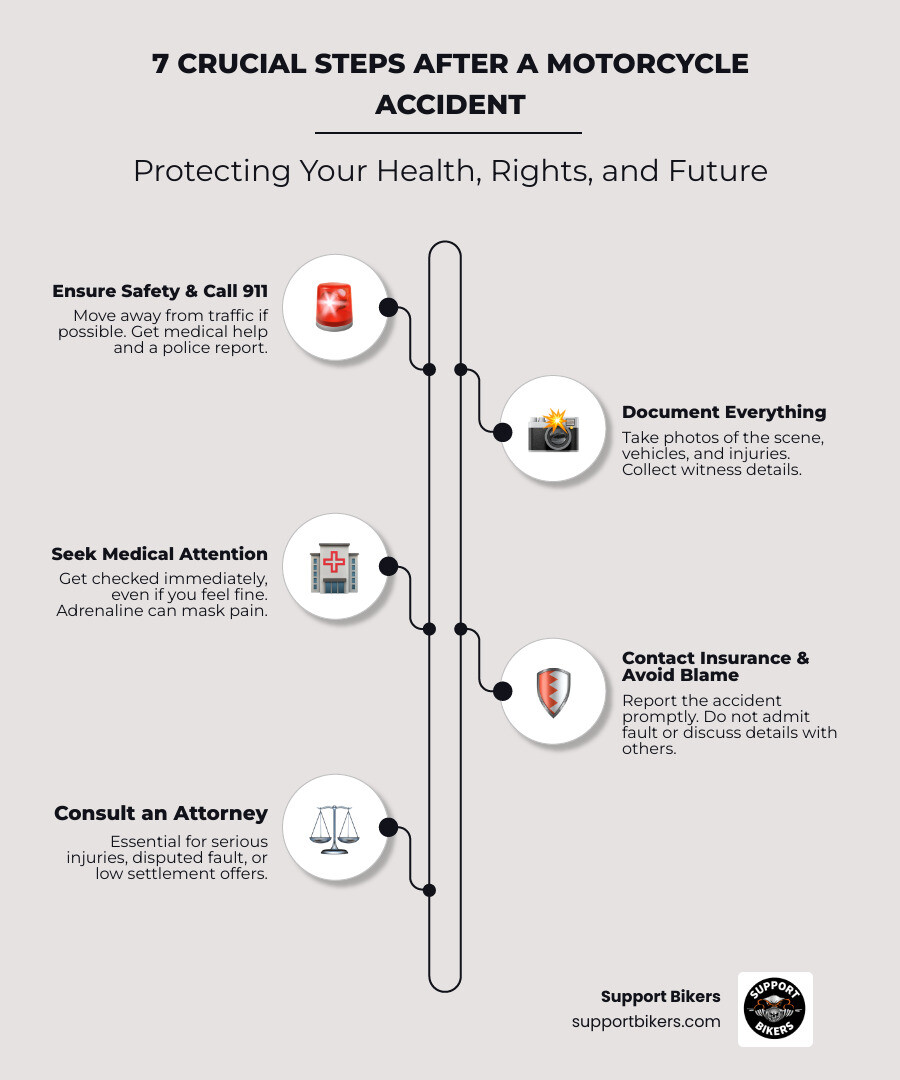
If you need immediate motorcycle accident help, here are the key steps:
- Ensure safety – Move away from traffic if possible
- Call 911 – Get medical help and a police report
- Document everything – Photos, witness info, damage
- Seek medical attention – Even if you feel fine
- Contact your insurance – Report the accident promptly
- Don’t admit fault – Stick to the facts
- Consult an attorney – Especially for serious injuries
The statistics are sobering. Over 6,000 riders died in U.S. crashes in 2022 alone, and motorcyclists are 29 times more likely to be killed in a traffic accident than passenger vehicle occupants.
Beyond the crash scene, motorcycle accident help means understanding legal rights, navigating insurance claims, and finding support. These complex situations often require professional guidance to ensure you receive fair compensation for medical expenses, lost wages, pain and suffering, and property damage.
I’m Sonny Da Badger, founder of Support Bikers, and I’ve seen how crucial proper motorcycle accident help is for our community. Having the right information and support network can transform a rider’s recovery from overwhelming to manageable.
First Response: Critical Steps Immediately After a Crash
The moments after a crash are a blur. Taking the right steps in these first minutes protects your health and legal rights.
Scene safety comes first. If you can, move yourself and your bike away from traffic to prevent a second collision. You must stay at the accident scene; leaving can result in criminal charges, even if you weren’t at fault.
Once safe, call 911 immediately for emergency medical services and law enforcement. You must contact the police to report the accident, no matter how minor. The police report is crucial evidence for any insurance claim or legal action.
While waiting for help, document the scene if you are able. Use your smartphone to take photos and videos of everything: vehicle positions, all damage, skid marks, road conditions, and traffic signs.
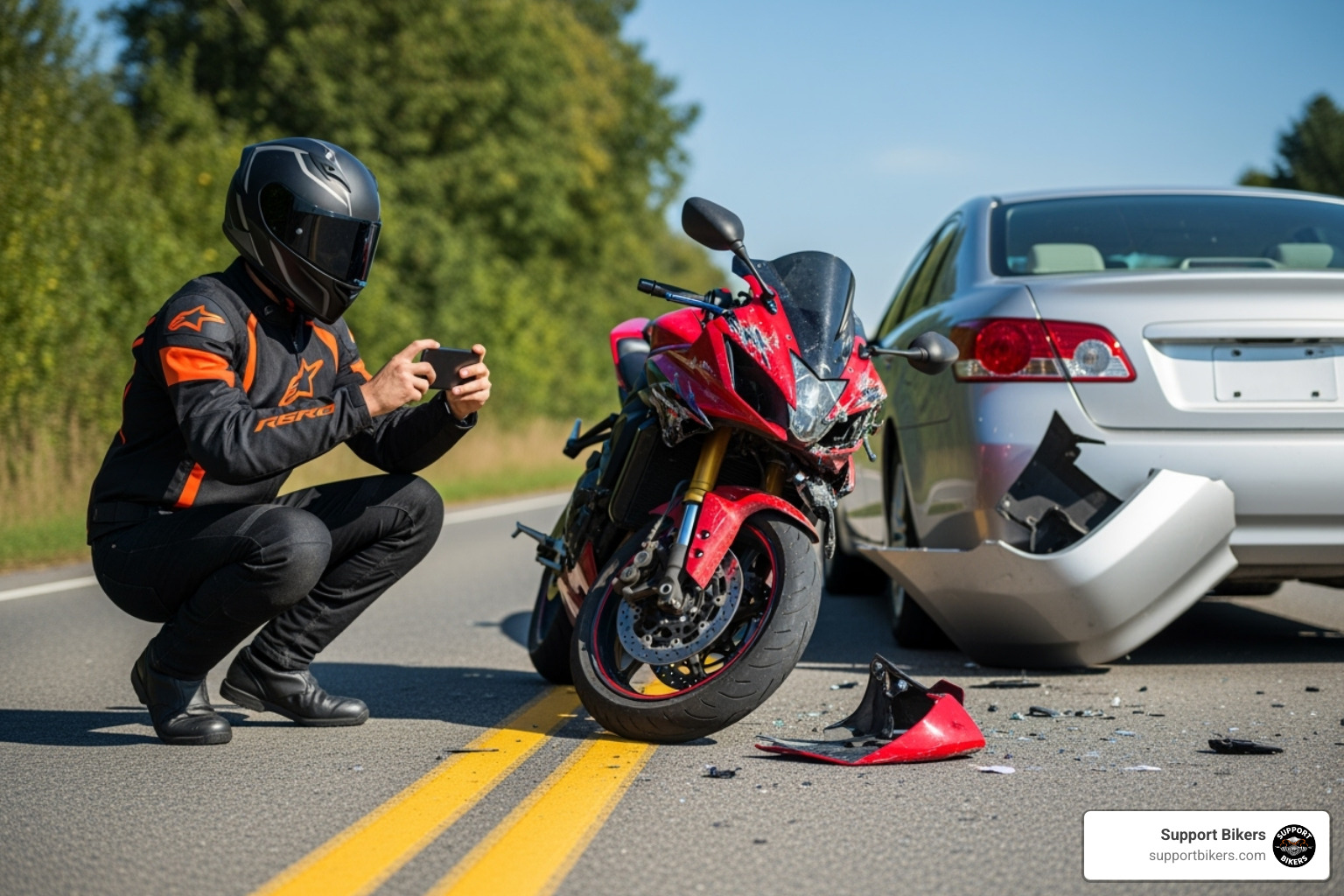
Next, exchange information with everyone involved. Get names, phone numbers, driver’s license numbers, vehicle registration, and insurance details. Don’t forget witnesses—their unbiased accounts are invaluable for your motorcycle accident case. Ask for their contact info.
Crucially, do not admit fault. Even a simple “I’m sorry” can be used against you. Stick to the facts. Shock can cloud your judgment, and you may not know what really happened.
For more detailed guidance on handling injuries at the scene, check out our comprehensive guide on What to Do If Injured.
Protecting Your Health and Legal Rights at the Scene
Adrenaline can mask serious injuries, so seek immediate medical attention even if you feel fine. Studies show symptoms are often delayed, appearing hours or days later. Getting checked out protects your health and creates an official medical record linking injuries to the accident, which is vital for insurance and legal claims.
When police arrive, cooperate with law enforcement and provide ID and insurance information as required. Answer questions truthfully, but do not discuss the crash with others beyond exchanging necessary information. This prevents casual comments from being taken out of context.
Watch for headaches, dizziness, confusion, nausea, or blurry vision, which can indicate a head injury. Also be alert for abdominal pain or swelling, which might signal internal injuries.
Continue to preserve evidence. If you couldn’t take photos earlier, do it now. Make notes about what you remember—time, weather, road conditions, what you saw and heard. Your memory will fade, so documenting details while fresh is crucial for any future motorcycle accident help you need. This documentation is vital for protecting your rights and getting the compensation you deserve.
Navigating Injuries and Starting Your Physical Recovery
Road rash sounds minor, but it can be severe. High-speed contact with asphalt can cause deep wounds requiring skin grafts and long healing times. It’s a serious injury needing immediate medical care to prevent infection.
Broken bones are unfortunately common. Your arms, legs, ribs, or skull can fracture from the impact. Some breaks heal with a cast, while others require surgery and extensive rehabilitation.
Your neck and spine are also at risk. A minor crash can cause whiplash, while serious ones can lead to herniated discs or spinal cord damage, causing chronic pain, limited mobility, or even paralysis. Watch for stiffness, pain, tingling, numbness, or weakness.
Head and brain injuries are particularly scary. Even with a helmet, you can suffer a concussion or traumatic brain injury. Watch for headaches, dizziness, confusion, nausea, or blurry vision after any accident, as these symptoms can appear days later.
Don’t overlook internal injuries. The force of a crash can damage organs even without external wounds. If you experience abdominal pain or swelling, get medical help immediately, as this could signal a medical emergency.
Treatment varies from emergency surgery to months of rehabilitation. The most important thing is getting a proper medical evaluation right away and committing to your follow-up care.
The Role of Physical Therapy in Healing
Once your immediate injuries are stable, physical therapy becomes your best friend for long-term recovery. It’s about getting your life back and preventing future problems.
Physical therapy focuses on several areas. Pain management is often the first priority. Your therapist will also work on restoring mobility with targeted exercises to improve strength, flexibility, and range of motion.
Postural training is also crucial. An accident can throw your body mechanics out of whack. Your therapist helps correct these issues, improving balance and coordination while reducing future injury risk.
Have an injury from a motorcycle accident? Work with professionals who understand the unique challenges riders face. They can develop a personalized treatment plan for your specific injuries and goals.
Overexertion during rehabilitation can cause setbacks. Your body needs time to heal, so follow your therapist’s guidance and be patient with the process.
Ready to start your recovery journey? The sooner you begin proper rehabilitation, the better your chances of a full recovery and getting back to riding when you’re ready.
Understanding Your Legal Rights and Getting Help After a Motorcycle Accident
After a motorcycle accident, understanding your legal rights is as crucial as your physical recovery. The legal process can be intimidating, but knowing your rights helps you fight for the compensation you deserve.
At the heart of most personal injury claims is proving negligence: showing another party acted carelessly and their actions caused your injuries.
Driver negligence is the leading cause of motorcycle accidents. This includes distracted driving, failure to yield, and unsafe lane changes. Many drivers simply don’t “see” motorcyclists, creating avoidable dangers. Our article on Distracted Driving and Motorcycle Crashes Who is at Fault dives deeper into this.
Hazardous road conditions like potholes or loose gravel can also cause crashes. In these cases, the entity responsible for road maintenance may be at fault.
Defective motorcycle parts can also lead to accidents, making the manufacturer potentially responsible for your injuries.
When someone else’s negligence injures you, you may be entitled to several types of recoverable damages. These include medical expenses, lost wages, pain and suffering, and property damage to your bike and gear.
Comparative negligence laws can affect your claim. Most states reduce your compensation by your percentage of fault. In Florida, if you’re found more than 50% at fault, you cannot recover any damages at all.
For more on your rights, explore our Motorcycle Accident resource section.
When to Get Help from a Lawyer
Knowing when to hire an attorney can be overwhelming while you’re recovering. However, certain red flags signal you need legal help.
Serious injuries like broken bones, head trauma, or spinal injuries require an attorney to ensure you get fair compensation for long-term needs.
When fault is disputed, you need an expert to build your case and fight biases against motorcyclists.
Low settlement offers are common. An experienced lawyer knows your claim’s true value and negotiates aggressively.
Complex insurance company tactics can be overwhelming. Insurers have teams of lawyers and adjusters focused on minimizing payouts. An attorney levels the playing field.
Don’t forget the statute of limitations—the strict deadline for filing a claim. An attorney ensures you file on time.
An experienced motorcycle accident attorney understands rider-specific challenges and connects you with experts. When you need professional legal help, you can Find a Motorcycle Accident Lawyer through our directory.
The Motorcycle Accident Settlement Process
Understanding the motorcycle accident settlement process helps you know what to expect. The process has several stages, though every case is unique.
Filing a claim starts the process. Your attorney formally notifies the at-fault driver’s insurance company of your intent to seek compensation.
The insurance investigation follows, where the company reviews police reports, medical records, and other evidence. This is where your documentation from the scene becomes invaluable.
Once you reach maximum medical improvement, your attorney sends a demand letter outlining your injuries, damages, and the compensation you’re seeking.
Negotiation is often the longest phase. Your attorney pushes back against lowball offers and argues for your claim’s full value. This can take weeks or months.
Reaching a settlement happens when both parties agree on an amount. Most cases resolve at this stage, avoiding a trial.
A lawsuit becomes necessary if negotiations fail. While most cases settle, litigation is sometimes the only way to get justice.
For more on this process, see our guide with More info about the Motorcycle Accident Settlement Process. If costs are a concern, explore Motorcycle Accident Lawsuit Funding options.
Navigating Insurance Claims for Motorcycle Accidents
Dealing with insurance companies after a crash is frustrating. Knowing how to interact with them is a critical part of getting effective motorcycle accident help.
Report the accident to your insurance company immediately, even if the other driver was at fault. The Ohio Driver Manual advises you to notify your insurance company as soon as possible.
When dealing with adjusters, remember their goal is to minimize payouts. Stick to facts and avoid giving recorded statements to the other party’s insurer without consulting your attorney.
For Florida riders: while Florida is a “no-fault” state for cars, motorcycles are treated differently. The Florida Department of Highway Safety and Motor Vehicles states that PIP coverage does not apply to motorcycles. This means your medical bills will likely come from the at-fault driver’s liability insurance or your health insurance, making legal help even more critical.
Understanding your policy is essential. Our guide on How Does Motorcycle Insurance Work breaks down coverages. If your claim is unfairly denied, our resource on How to Appeal Insurance Denial can help.
Frequently Asked Questions About Motorcycle Accident Claims
After a crash, you’ll have many questions while figuring out your next steps. The uncertainty can be overwhelming. Here are some common concerns riders have when seeking motorcycle accident help.
Can I get a settlement if I wasn’t wearing a helmet?
This is a common concern. The good news is that not wearing a helmet doesn’t automatically prevent you from getting compensation if another driver was at fault.
Helmet laws vary by state. Even if you were required to wear a helmet and didn’t, you can still pursue a claim against the at-fault party.
However, your compensation might be reduced under comparative negligence rules if it’s proven a helmet would have lessened your injuries. The key is still proving the other party’s fault in causing the crash.
Always check your local laws. For safety information, you can Check NHTSA’s Motorcycle Safety Resources to stay informed.
How much is a typical motorcycle accident settlement?
There’s no average amount for a settlement. Every crash is unique, and settlements can range from thousands to over a million dollars depending on the case.
Your settlement value depends on several factors: the severity of your injuries, current and future medical costs, and lost income.
Lost income is a major consideration. If you can’t work for an extended period, that lost earning capacity significantly impacts your settlement. Pain and suffering damages are also factored in.
Insurance policy limits and the clarity of fault also play a huge role. The clearer it is that the other party caused the crash, the stronger your negotiating position.
For a deeper dive, check our guide with More info on the settlement process.
What if the at-fault driver is uninsured or underinsured?
This is a scary scenario, but don’t panic. Your own policy may cover you if the at-fault driver is uninsured or underinsured.
Uninsured/Underinsured Motorist (UM/UIM) coverage is your safety net. If you have this coverage, it can step in to pay for your medical expenses, lost wages, and other damages when the other driver’s insurance is insufficient.
UM/UIM coverage is relatively inexpensive and can save you from financial disaster. Check your Motorcycle Insurance policy to see what coverage you have. If you don’t have it, consider adding it.
In some cases, an attorney might pursue legal options against the driver personally, but this is challenging if they lack assets. Good UM/UIM coverage is your best protection.
Finding Support and Resources for Your Recovery Journey
The road to recovery after a motorcycle accident is rarely a solo ride. Beyond medical and legal assistance, finding the right support and resources is essential for your overall well-being. We understand that this journey can be isolating, but you don’t have to go through it alone.
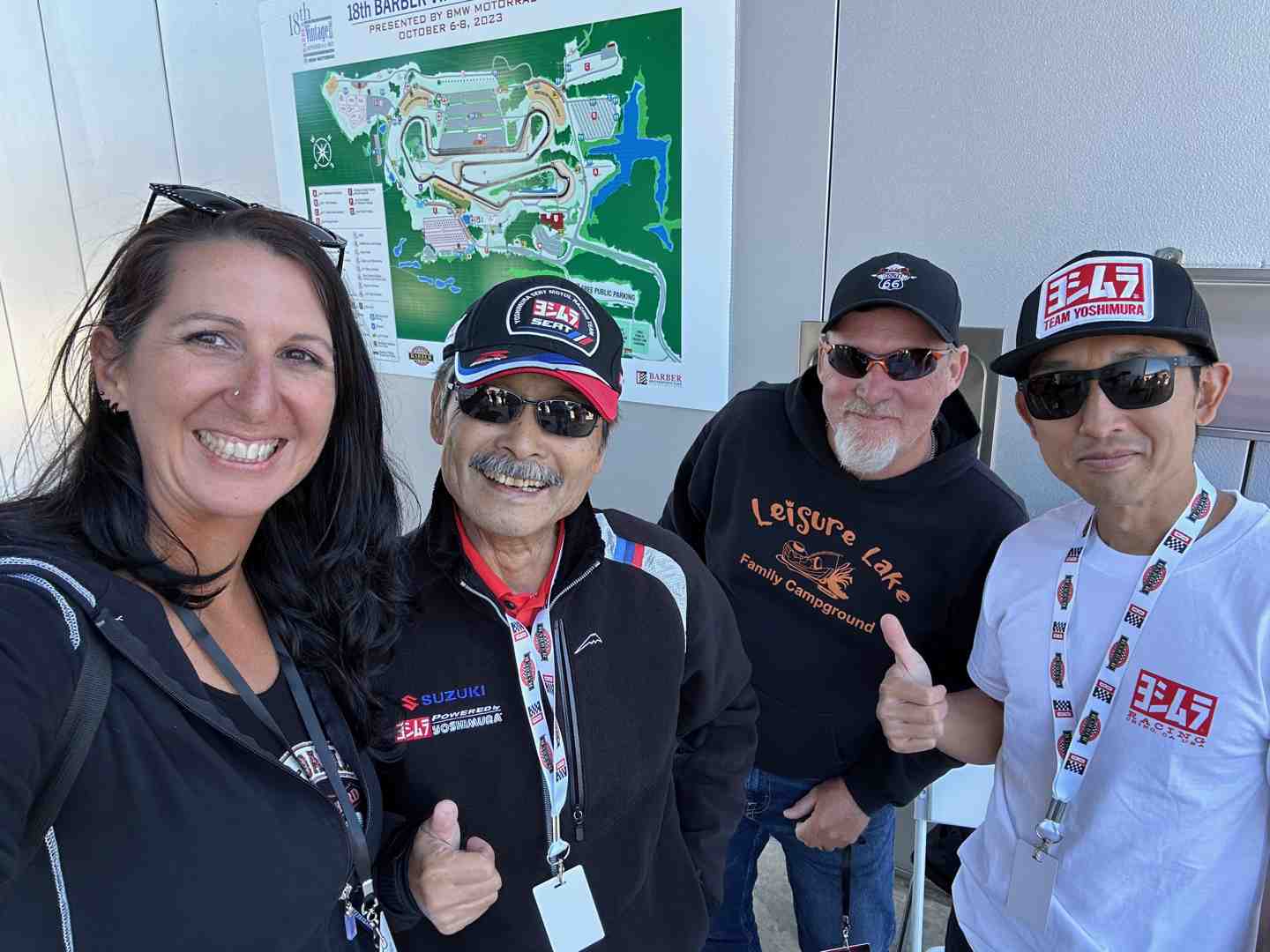
One of the most immediate concerns after a crash is often financial assistance. Medical bills pile up, and lost wages can create a daunting financial burden. This is where the motorcycle community truly shines, embodying the “bikers helping bikers” spirit we all know and love. Many non-profit groups and community fundraisers offer tangible aid when it’s needed most. Our own Motorcycle Accident Fund also aims to provide direct assistance to riders in need, because we believe no rider should face recovery alone.
Emotional recovery is just as crucial as physical healing, though it’s often overlooked. Many riders report feeling vulnerability, anxiety, or even post-traumatic stress after an accident. The bike that once represented freedom might suddenly feel intimidating. These feelings are normal and nothing to be ashamed of.
Talking to a counselor or therapist who specializes in trauma can be incredibly beneficial. Some riders find group therapy helpful, connecting with others who understand the unique challenges of motorcycle accident recovery. Reclaiming confidence and addressing the emotional toll takes time and support.
Biker community support is a powerful force. We’ve seen countless examples of riders rallying around one another, organizing fundraising rides, and offering moral support. This sense of camaraderie can be a huge boost during the toughest times of recovery.
That’s precisely why Support Bikers exists—to connect you with these vital networks when you need motorcycle accident help most. Our directory is curated by bikers for bikers, ensuring you find relevant and authentic recommendations for everything from legal services to repair shops and support groups. We understand what riders need because we’ve been there.
After a crash, the road to recovery can be long, but you don’t have to ride it alone. If you need financial assistance, our community is here to help. Apply for support from the Wrecked Rider Fund.

0 Comments